
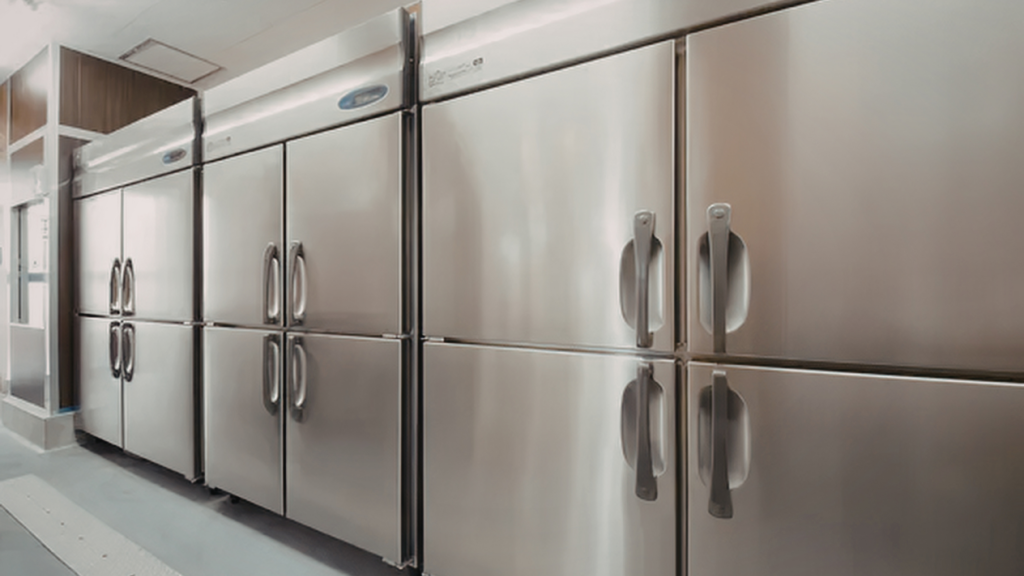
As temperatures drop, most HVACR conversations shift toward furnaces and heat pumps, but commercial refrigeration doesn’t get a seasonal break. Walk-in coolers, freezers, reach-ins and ice machines run year-round, and fall and winter bring their own set of challenges — from changing condenser performance in colder ambient air to wear on components that have been working hard all summer.
A proactive approach to commercial refrigeration fall and winter maintenance helps prevent the kind of failures that turn into emergency calls in the middle of a holiday rush, when restaurants, grocers and foodservice operations can least afford downtime. Here’s what seasoned techs should be checking as temperatures begin to fall.
Why Commercial Refrigeration Needs Seasonal Attention
Colder ambient air changes the conditions under which air-cooled condensers operate. Preparing for those changes can help uncover issues that may have gone unnoticed under heavier summer loads.
Commercial refrigeration fall and winter maintenance should account for a few season-specific realities:
- On systems without properly functioning low-ambient controls — including fan cycling, head pressure control valves or variable-speed condenser fans — falling outdoor temperatures can drop head pressure low enough to cause erratic TXV performance, flooding or nuisance low-pressure trips. Verifying these controls before the first real cold snap can help technicians catch potential issues before they’re troubleshooting them in the field.
- Condensate drain lines that ran clear all summer are also worth checking. Higher humidity and heavier condensate flow may have helped keep them flushed, while reduced flow can allow blockages from biofilm and sediment to become more apparent.
- Small refrigerant leaks that went unnoticed under high summer loads may become easier to detect as systems begin operating and cycling differently in cooler conditions. Identifying them early can help prevent capacity issues from becoming larger problems.
- As building heating systems come back online, changes in indoor humidity and infiltration can also affect evaporator frost load and defrost demands, particularly in walk-ins near loading docks or exterior doors.
Fall and Winter Maintenance Tips for Commercial Refrigeration
Here are the core checks for prioritizing as you prepare commercial refrigeration systems for fall and winter:
- Inspect and clean condenser and evaporator coils. Beyond restoring proper airflow, this is a well-timed opportunity to catch fin damage or drainage issues before winter humidity swings make evaporator coil icing more likely.
- Check and treat condensate drain lines and pans. This is one of biggest drivers for fall service calls since biofilm and organic buildup accumulated over summer often reveal themselves once condensate volume drops.
- Perform a full leak check across the circuit before the season changes. Pay particular attention to fittings and joints that experience the most thermal cycling, as leaks that stayed masked under steady summer load can become more apparent once head pressure and subcooling shift with the season.
- Verify low-ambient controls are functioning correctly before cold weather arrives. Confirm fan cycling controls, head pressure control valves or low-ambient kits are responding properly. This is one of the most overlooked seasonal checks and a common source of winter refrigeration complaints on outdoor condensing units.
- Inspect door seals and gaskets ahead of the temperature drop. Check for warping, cracking or hardening that may not have presented as a problem in warmer months, as some gasket materials become less pliable in colder ambient temperatures.
- Confirm defrost cycles and timers are set correctly for the season ahead. Timing and duration should reflect anticipated frost load, as changes in building humidity and traffic patterns during fall and winter operations can affect how quickly frost accumulates.
These checks are most effective when performed consistently across every unit on a route, not just the ones showing obvious symptoms.
Safety Considerations for Fall and Winter Service Work
Beyond system performance, seasonal service work comes with its own safety considerations that should remain top of mind:
- Cold weather can impact chemical performance. Standard leak detection solutions may thicken, gel or stop bubbling effectively in low-ambient or walk-in freezer conditions, increasing the risk of a missed leak or a false negative if the product isn’t suited to the environment.
- Reduced daylight can make visual inspection more difficult. Early morning and late afternoon service calls often mean working in dimmer conditions, making reliable lighting and clear visual confirmation especially important.
- More time spent working indoors can increase ventilation concerns. During colder months, technicians may spend longer periods in tight mechanical rooms or other enclosed spaces, making proper ventilation and low-fume, non-toxic products especially valuable for both safety and comfort.
Products to Stock Before Temperatures Plummet
A few product categories are especially relevant to seasonal commercial refrigeration work:
Leak detection in cold environments. Standard bubble-style leak detectors can lose effectiveness in freezer applications or low-ambient conditions, precisely the environments walk-in freezers and outdoor condensing units face in fall and winter. Big Blu® SubZero is formulated specifically for these conditions and rated down to -30°F, allowing it to continue producing reliable, visible bubbles when standard leak detection fluids may freeze or stop performing effectively. For technicians checking flare fittings, valves and braze joints on freezer systems or outdoor equipment, keeping a cold-rated leak detector on the truck helps eliminate the guesswork — and potential callbacks — that can come with an unreliable read in cooler months.
Coil cleaning heading into the season. Restoring airflow and heat transfer efficiency starts with a proper coil cleaning before winter rolls around. Viper® coil cleaners, including options formulated specifically for condenser and evaporator coils, are NSF-Registered and non-toxic, making them practical for use in commercial kitchens, coolers and other foodservice environments without leaving lingering odors behind.
Drain line and pan maintenance. Since condensate drain issues are one of the most common causes of fall service calls, a dedicated pan and drain treatment can help prevent the biofilm and organic buildup responsible for clogs before they become a problem. Viper® EZDose is built specifically for ongoing pan and drain line maintenance, helping technicians stay ahead of blockages rather than reacting to them after they occur.
Small Steps Now, Fewer Problems Later
A little proactive attention during the fall – from coil cleaning to drain treatment to cold-rated leak detection – can go a long way toward preventing the kind of failures that turn into emergency calls once winter takes hold.
Building commercial refrigeration fall and winter maintenance into your regular service rotation, rather than letting it take a back seat to furnace and heat pump season, helps keep systems running efficiently and clients’ operations protected throughout the colder months.